Skills Courses

Climbing

Start wherever suits, but this is the order we'd recommend building through — bouldering to sport, trad, multi-pitch and beyond.

Build Your Skills

Find Your Place On The Ladder

Explore each activity below, from first moves indoors to longer mountain routes. Each has its own focus, starting requirements and opportunities to progress.

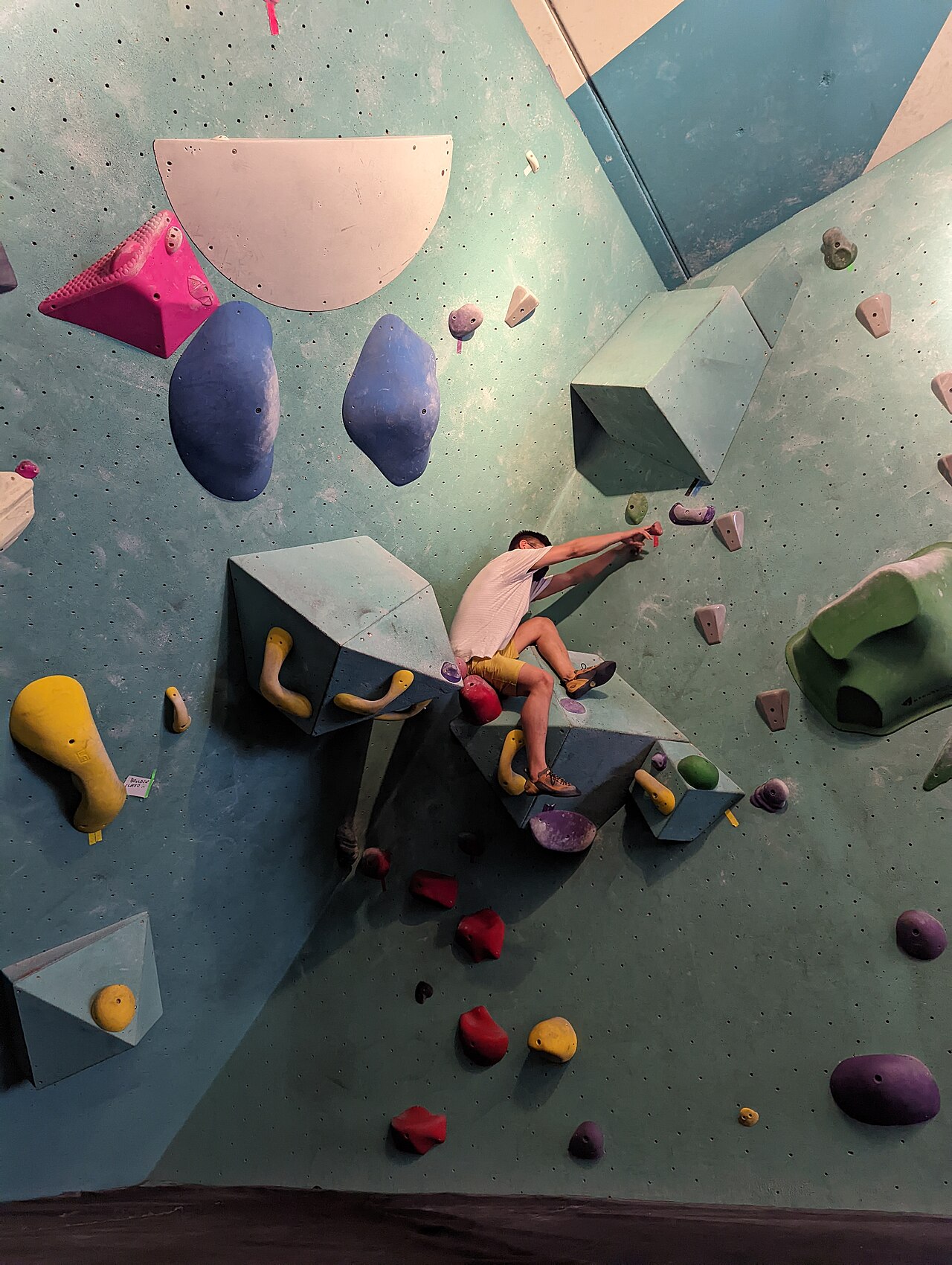
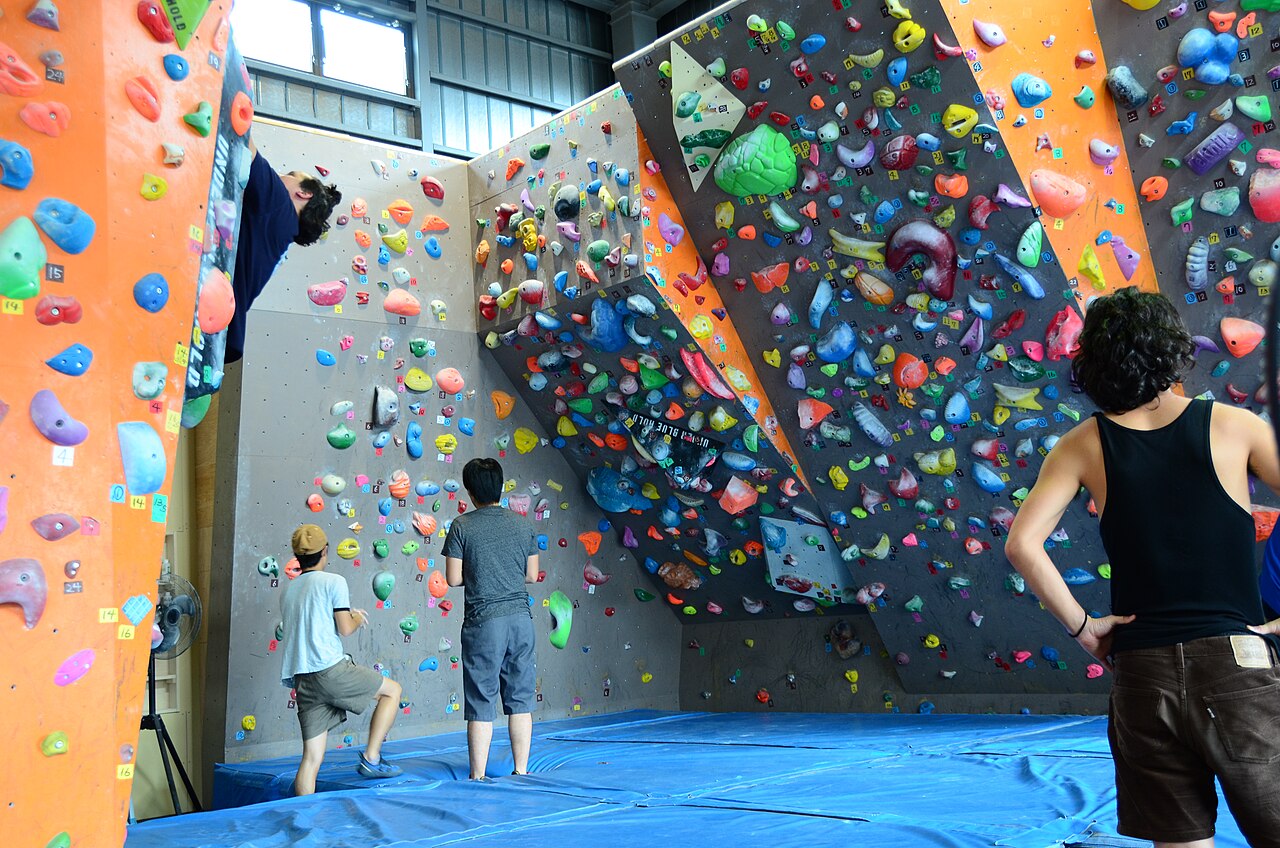
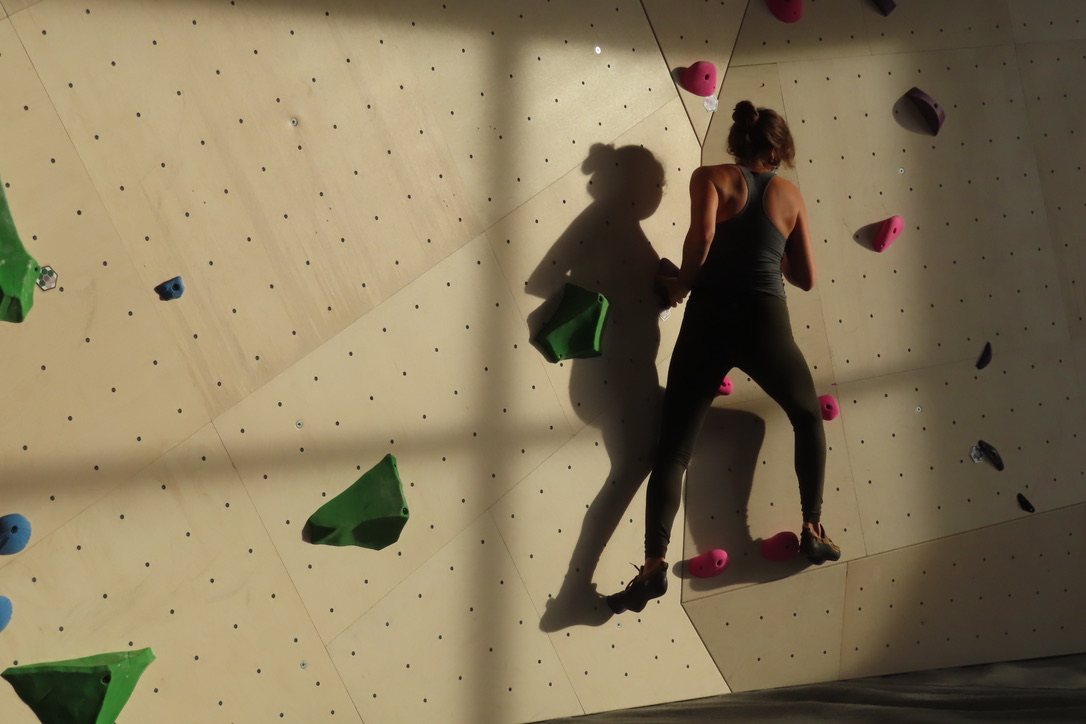
A climber working on an indoor bouldering problem
Stage 1

Indoor Climbing & Bouldering

Start with movement and problem-solving in an indoor setting. Learn how to use the space well, choose suitable challenges and build confidence without treating every attempt as a test of strength.

Course Aims

Develop balance, footwork and awareness of the people and landing areas around you.

Who It’s For

New climbers and anyone wanting a more thoughtful foundation. No climbing experience is needed; roped-wall activity is included only where agreed.

What You’ll Practise

  • Warming up and choosing appropriate problems.
  • Body position, balance and deliberate foot placements.
  • Reading a sequence and trying alternative movements.
  • Downclimbing and managing falls within the venue’s rules.

How You’ll Learn

Try short problems, receive feedback and repeat them with a different movement focus. Your instructor will help you recognise when a change of technique makes more difference than pulling harder.

By The End

A useful set of movement habits and a clearer way to structure your own practice sessions.

Your Next Step

Consolidate indoors, then discuss a first outdoor rock day or sport-climbing introduction that suits your experience.

Ask About Indoor Climbing & Bouldering →
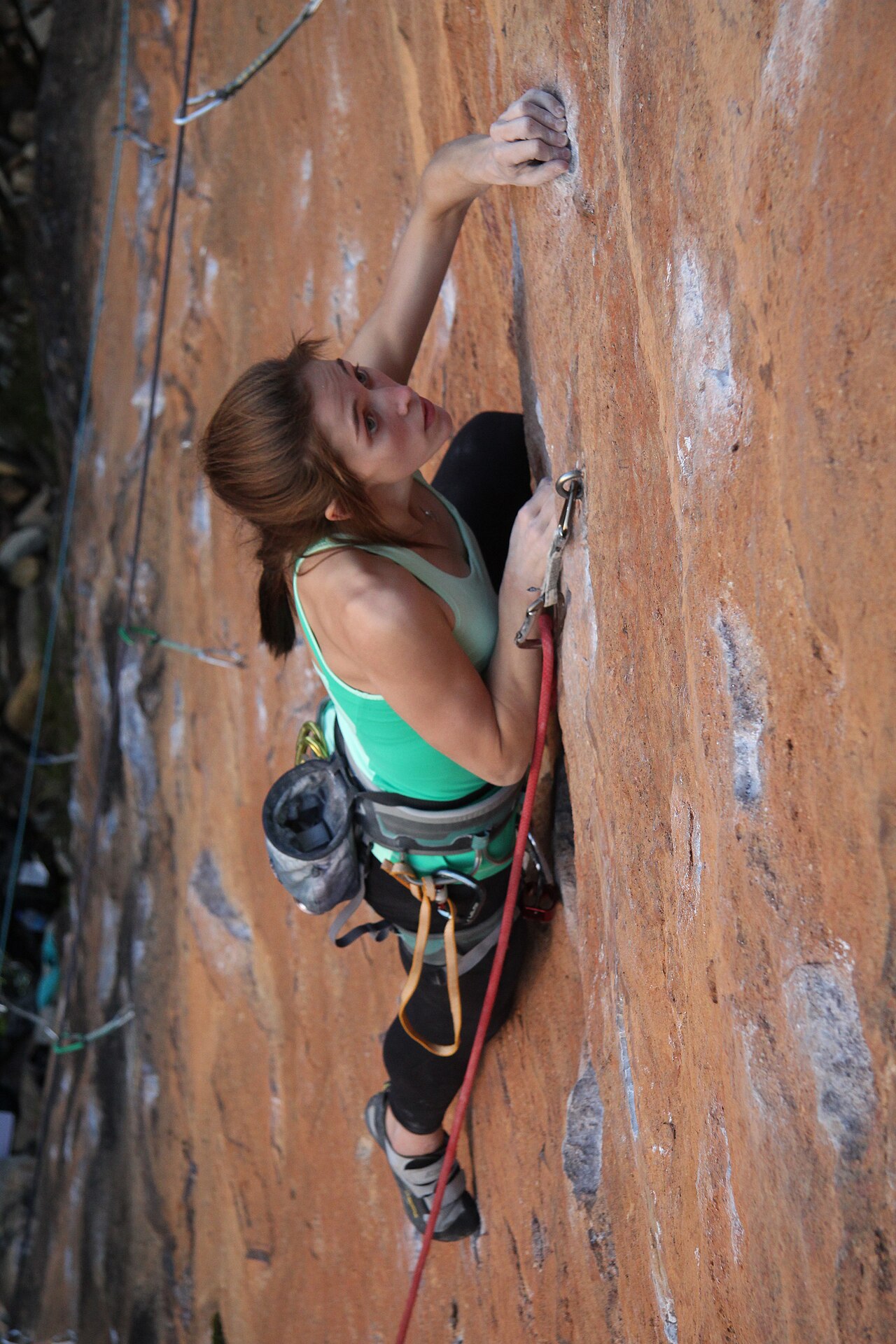
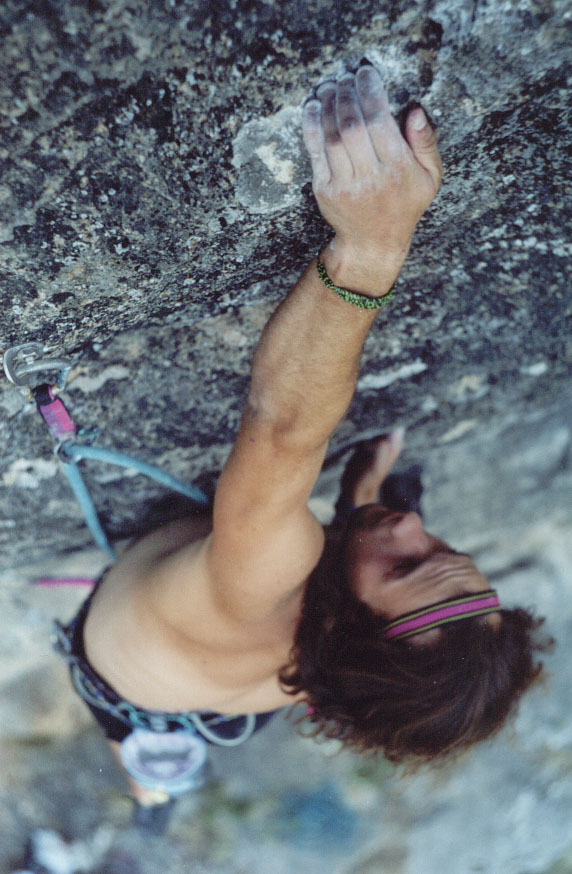
A sport climber ascending a bolted outdoor rock route
Stage 2

Sport Climbing — Introduction

Bring your climbing to bolted routes, with attention to the partnership and rope systems as well as the moves. Progression towards leading is matched to what you already know.

Course Aims

Understand the decisions and checks involved in a single-pitch sport-climbing day.

Who It’s For

Climbers with some movement experience. We establish your belaying experience before agreeing a seconding or learn-to-lead focus.

What You’ll Practise

  • Partner checks, communication and belaying.
  • Clipping practice and organised rope handling.
  • Reading routes and choosing an appropriate challenge.
  • Managing confidence and discussing fall practice where appropriate.

How You’ll Learn

Begin with ground-level systems and supervised climbing. Add responsibility gradually, revisiting checks until they are understood rather than simply memorised.

By The End

More informed sport-climbing practice and clear feedback on your readiness for the next stage.

Your Next Step

Build experience with a suitable partner; further supervised leading or consolidation may be more useful than moving immediately to harder grades.

Ask About Sport Climbing — Introduction →
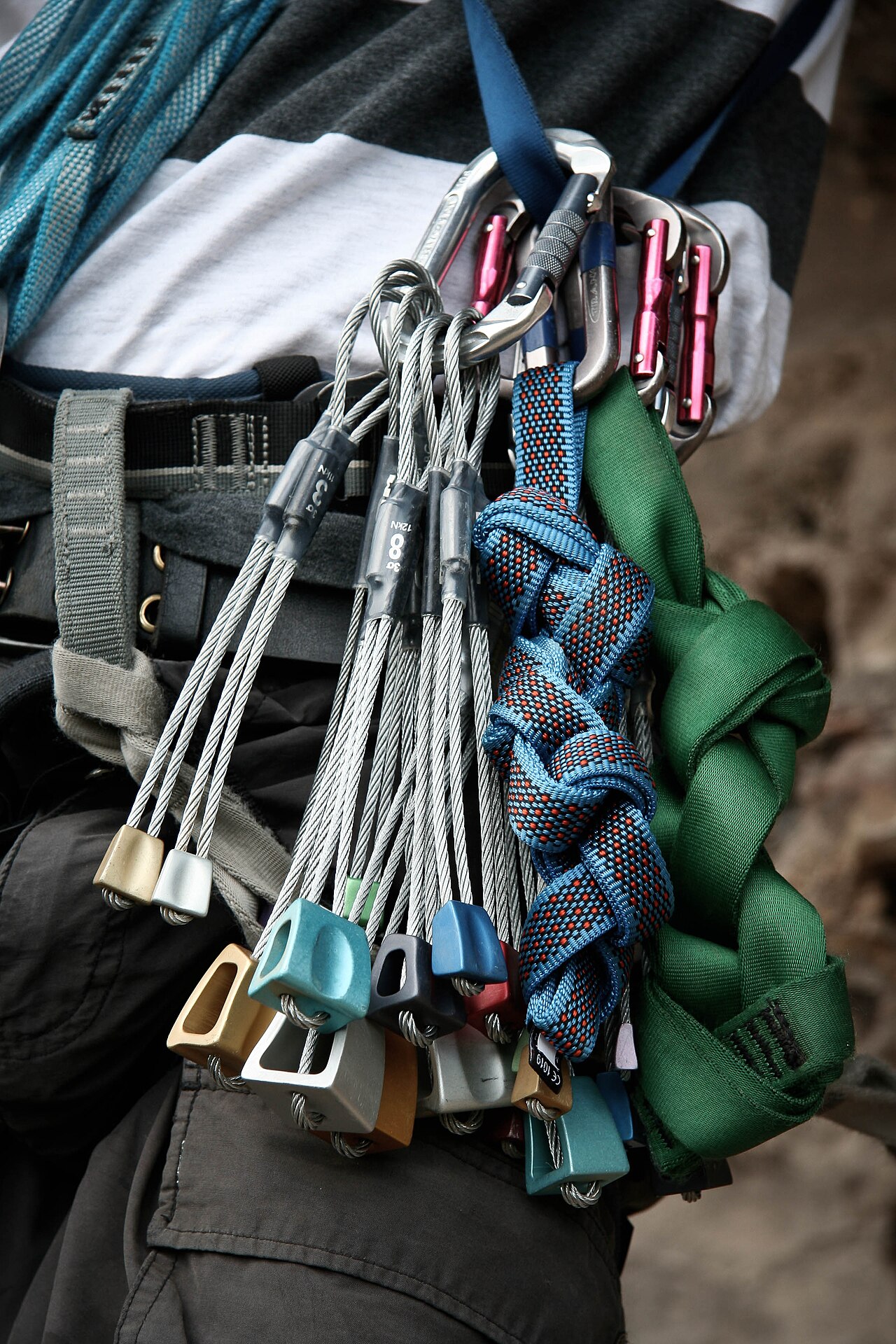
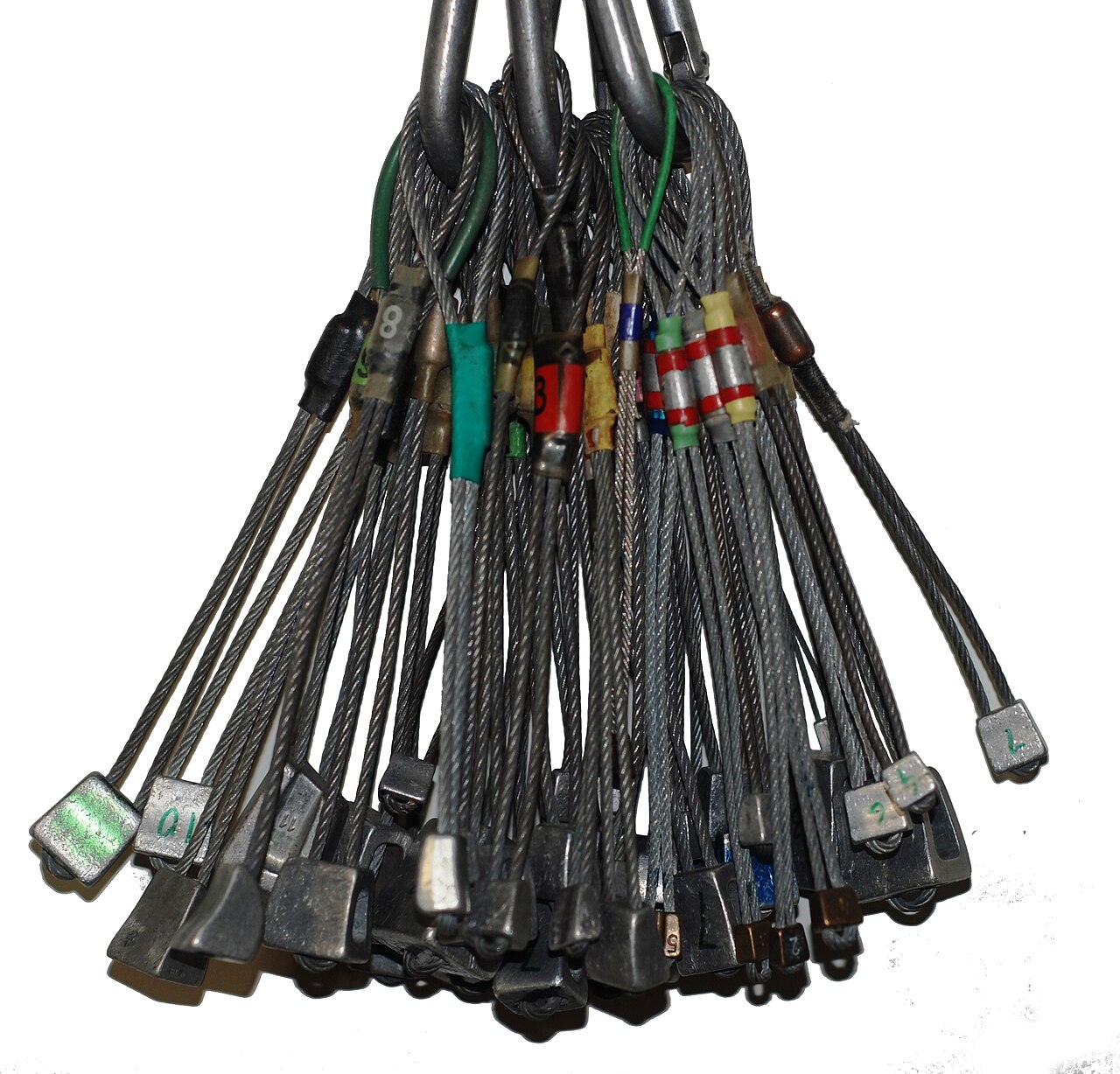
A rack of nuts and other removable climbing protection
Stage 3

Trad Climbing — Introduction

Understand how traditional climbing differs from following bolts. Learn to look at the rock, consider protection and think about the route and retreat as part of the same problem.

Course Aims

Build an informed foundation in removable protection and the responsibilities of a trad-climbing partnership.

Who It’s For

Climbers with established basic belaying skills who want to start seconding trad routes or develop their understanding of protection.

What You’ll Practise

  • Recognising and assessing suitable protection placements.
  • Using and removing nuts, cams and other agreed equipment.
  • Anchor principles and organised belay practice.
  • Route descriptions, grades and the implications of the line you choose.

How You’ll Learn

Work with equipment at ground level before applying the ideas on supervised climbs. Discuss why a placement or belay is appropriate, including what would make you reject it.

By The End

A better understanding of trad systems and the experience needed before taking on a lead.

Your Next Step

Consolidate seconding and gear assessment, or agree a dedicated learn-to-lead programme when your experience supports it.

Ask About Trad Climbing — Introduction →
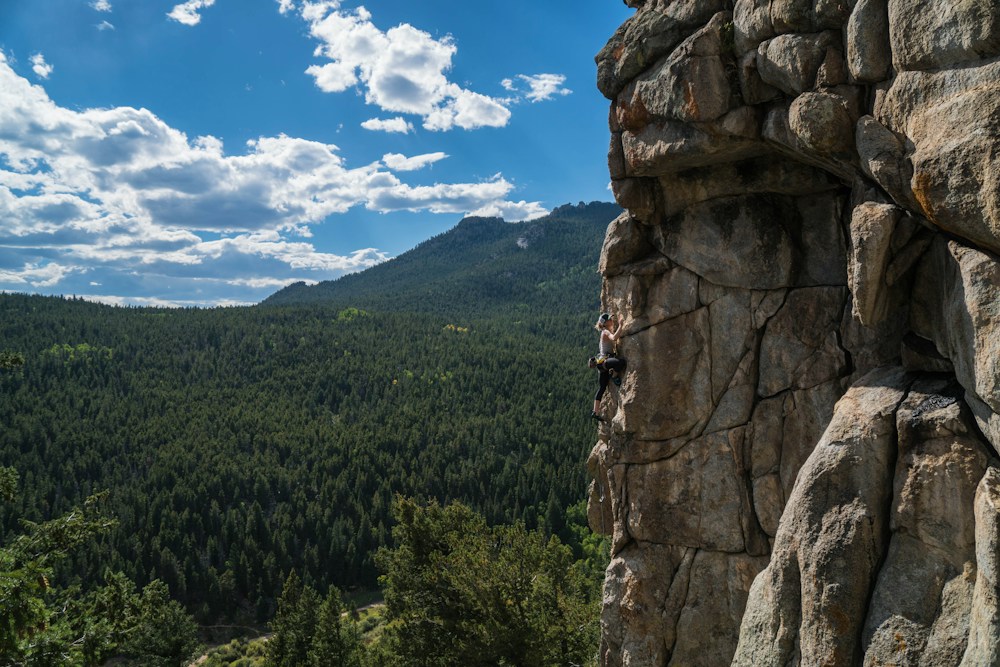
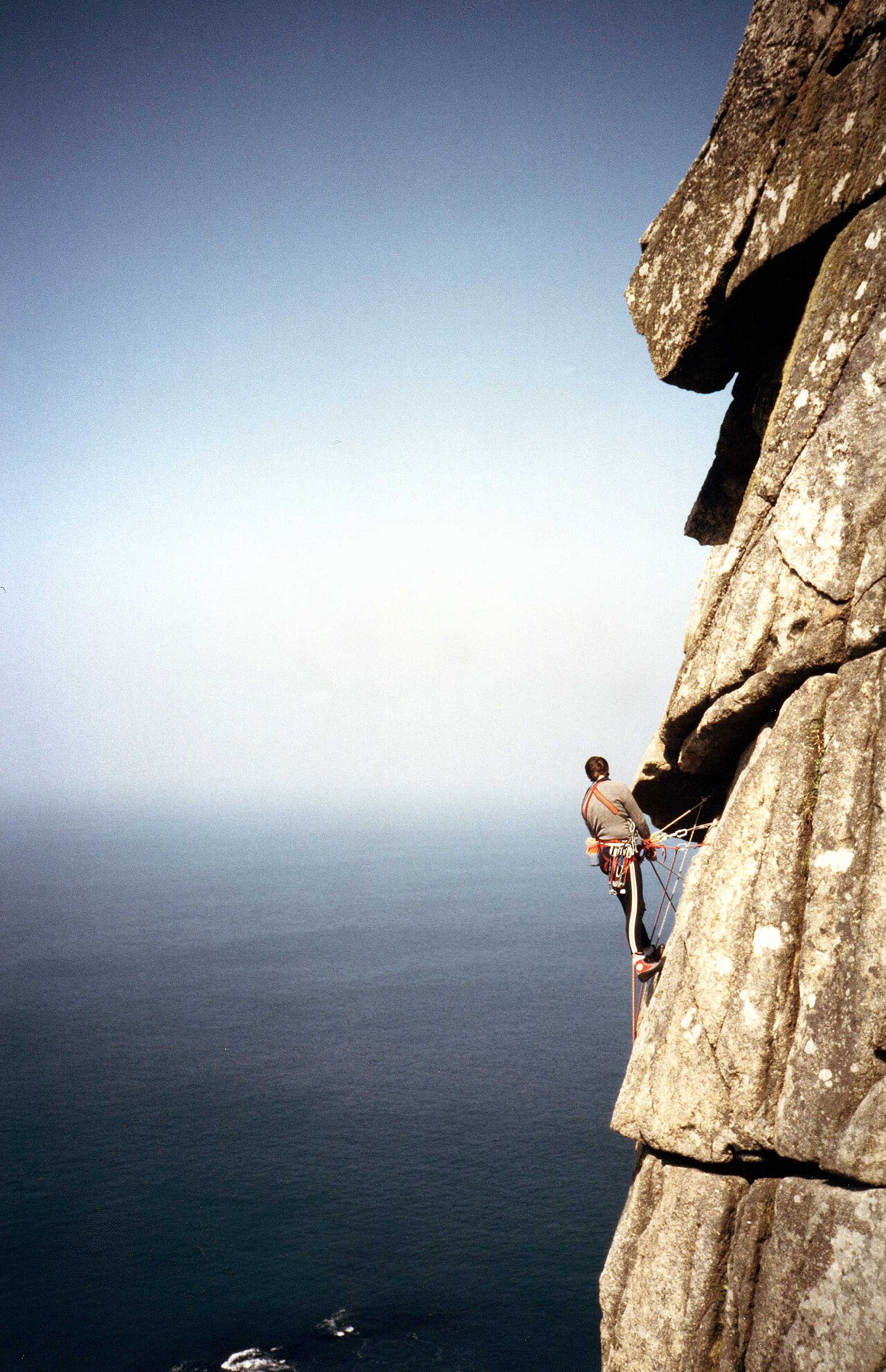
A rock climber ascending an outdoor crag
Stage 4

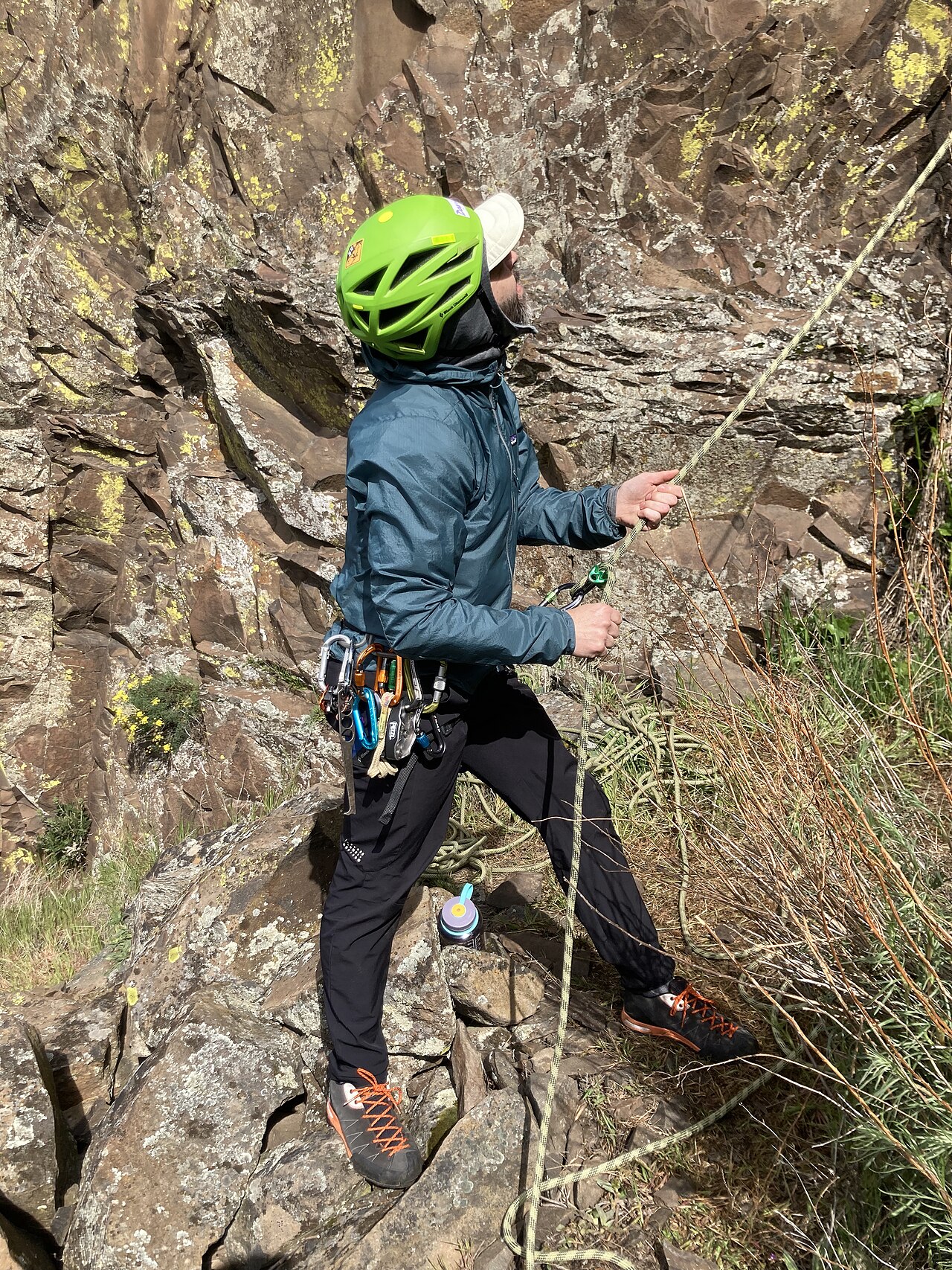
Single Pitch Climbing

Bring movement, belaying and rope organisation together on routes completed in a single pitch. This is a chance to make the basics work consistently on real rock.

Course Aims

Develop a more rounded approach to a crag day, from choosing the route to finishing it and organising the next climb.

Who It’s For

Climbers with basic rope skills who want supervised consolidation. We agree whether the focus is seconding, top-rope systems or appropriate leading.

What You’ll Practise

  • Footwork and body position on varied rock.
  • Top and bottom belaying with clear communication.
  • Understanding and checking agreed rope systems.
  • Choosing routes, considering protection and respecting other crag users.

How You’ll Learn

Climb several suitable routes and review the decisions around each one. Alternate between movement coaching and practical systems work so neither gets lost in the rush to climb more.

By The End

Greater consistency in your personal climbing and a clearer understanding of the systems you use.

Your Next Step

Keep consolidating at single-pitch crags or discuss multi-pitch training once your basic systems are dependable.

Ask About Single Pitch Climbing →
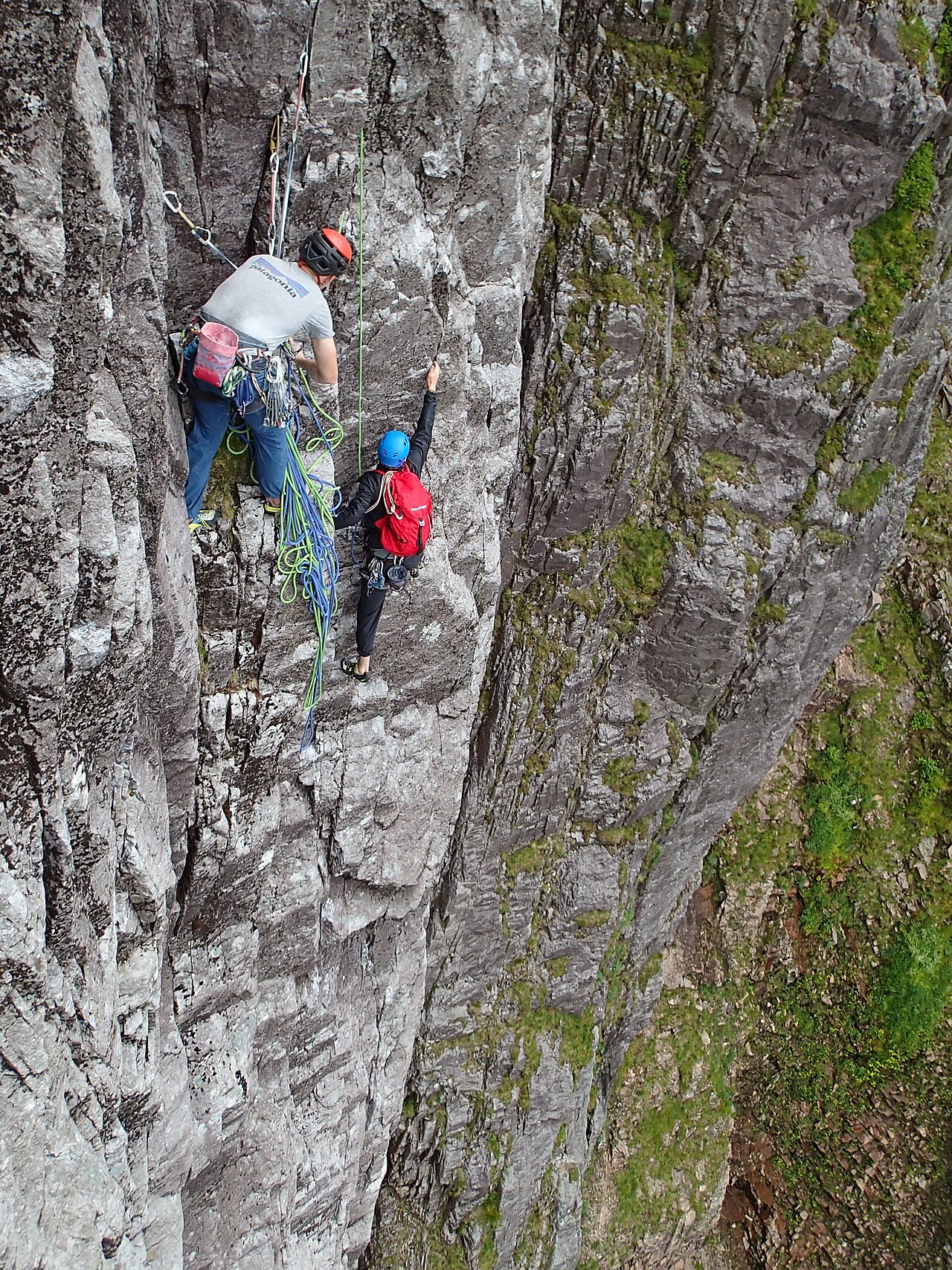
Two climbers on a multi-pitch route on Buachaille Etive Mor in Scotland
Stage 5

Multi-Pitch Climbing

Learn how a climbing day changes when the next belay is above you rather than back on the ground. Organisation, communication and descent planning become part of every pitch.

Course Aims

Develop an efficient partnership and an organised approach to longer routes.

Who It’s For

Experienced single-pitch climbers with reliable belaying and rope-handling skills. The roles you practise are agreed around your existing experience.

What You’ll Practise

  • Belay organisation and transitions between pitches.
  • Managing ropes and equipment on limited stances.
  • Communication when the climbers cannot see or hear each other clearly.
  • Time management, route-finding and descent options.

How You’ll Learn

Work through systems at an accessible stance, then apply them on an appropriate longer route. Review transitions and decisions as a team, rather than judging the day only by the grade climbed.

By The End

A practical understanding of the additional organisation demanded by multi-pitch routes.

Your Next Step

Build mileage on suitable routes, or target a particular gap such as belay transitions, abseil descents or route-finding.

Ask About Multi-Pitch Climbing →
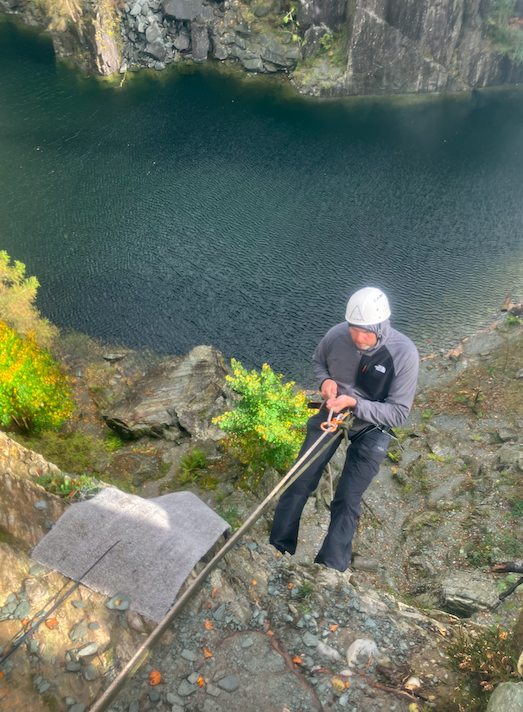
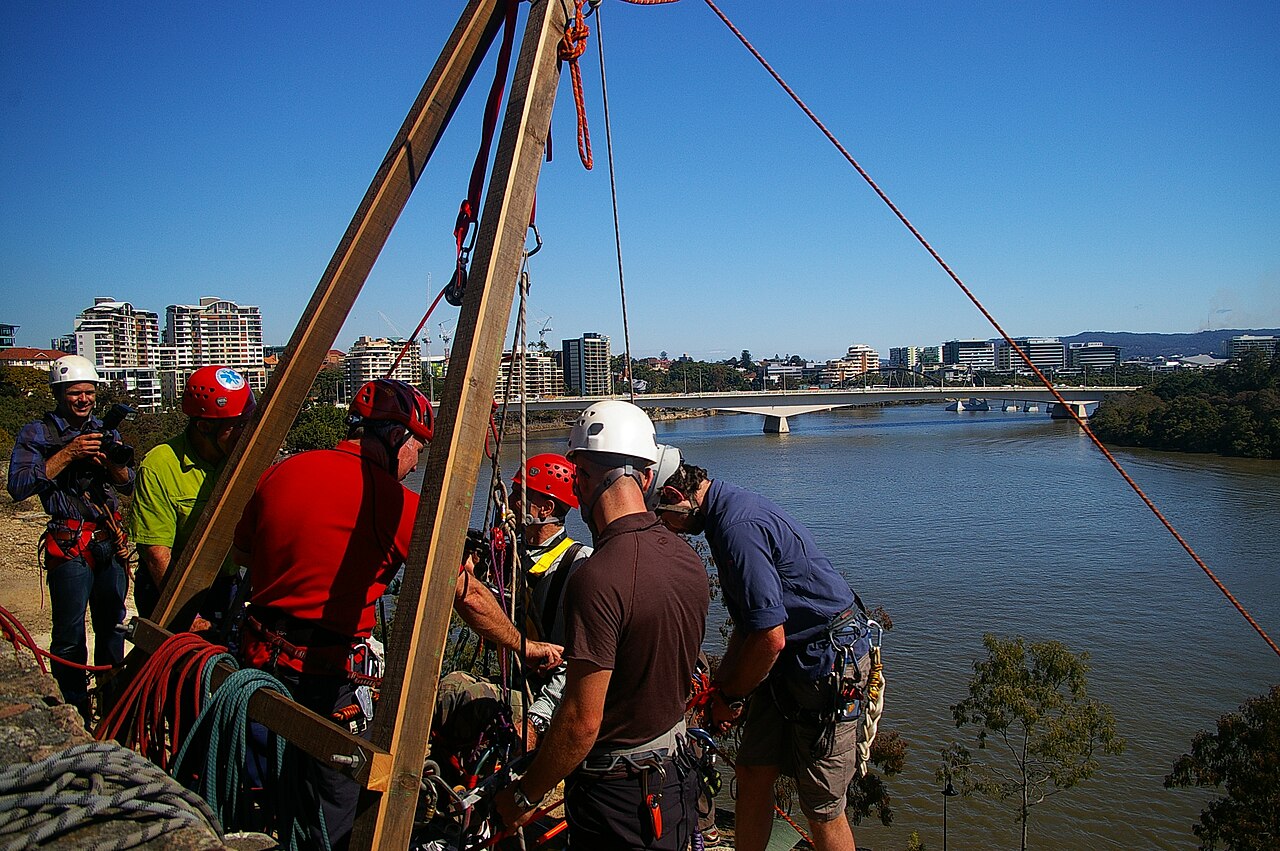
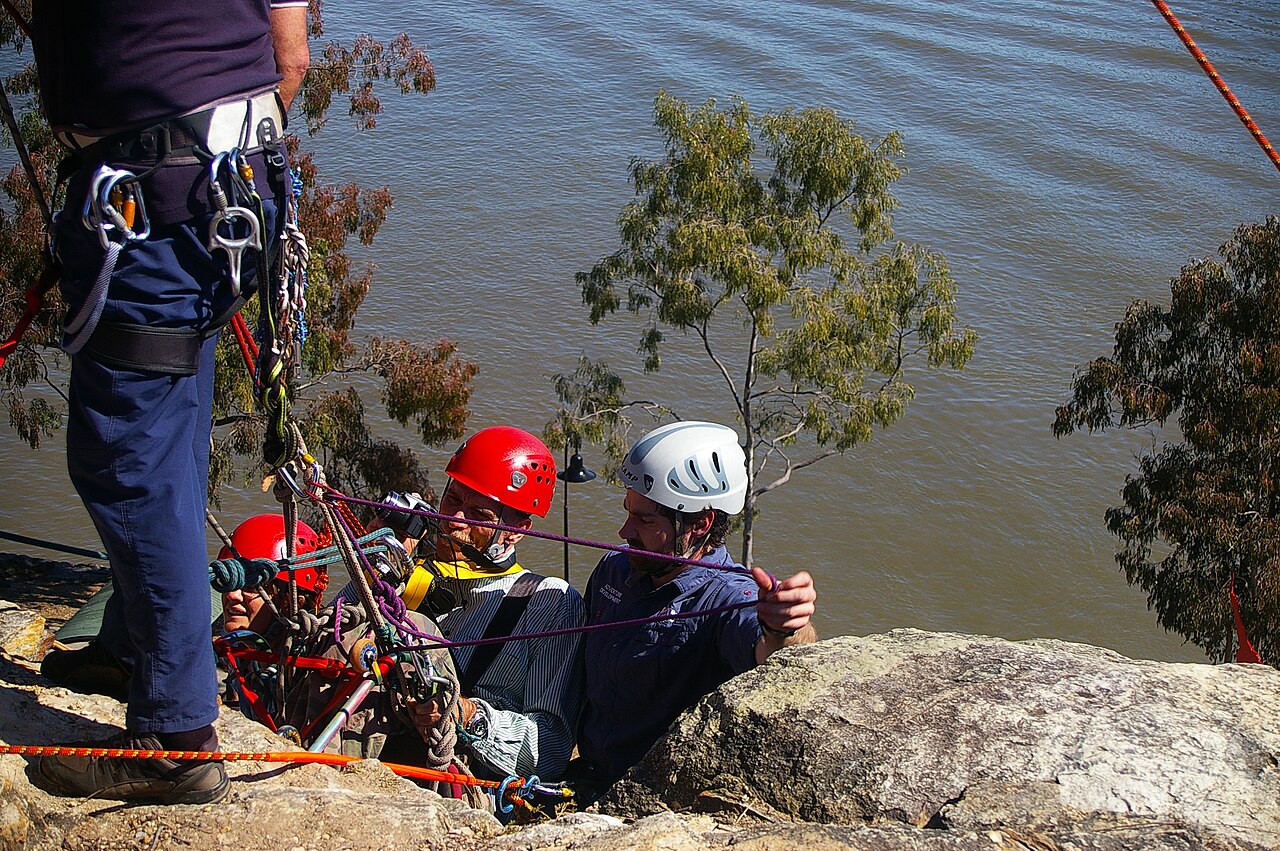
An abseiler descending a rocky face above a Lake District quarry lake
Stage 6

Abseiling

Treat descent as a skill that deserves the same attention as climbing up. Sessions can be a first supervised experience or technical consolidation for climbers who already use abseils.

Course Aims

Understand the checks, communication and rope management behind a controlled descent.

Who It’s For

Beginners seeking an instructed abseil, or climbers reviewing descent systems. We agree the technical scope before the session.

What You’ll Practise

  • Equipment familiarity and supervised pre-descent checks.
  • Controlled movement and communication on the descent.
  • Backup and anchor principles appropriate to your level.
  • Retrievable systems and rope organisation where agreed.

How You’ll Learn

Start in a controlled setting and progress to a suitable descent. Repetition and instructor feedback help turn an unfamiliar activity into an understood process.

By The End

Greater confidence in the agreed activity and a clearer understanding of the skills needing further supervision.

Your Next Step

For climbers, consolidate descent systems alongside single- or multi-pitch practice. A first abseil experience is different from training to rig independent descents.

Ask About Abseiling →
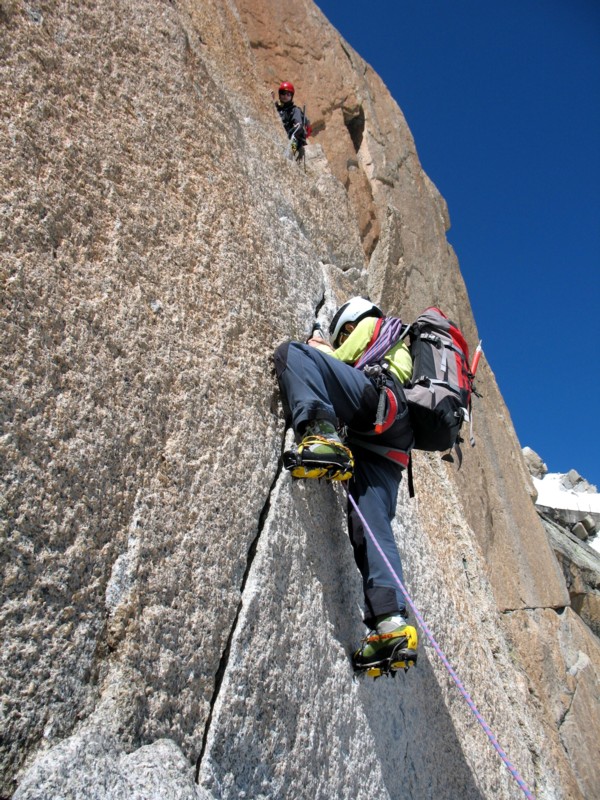
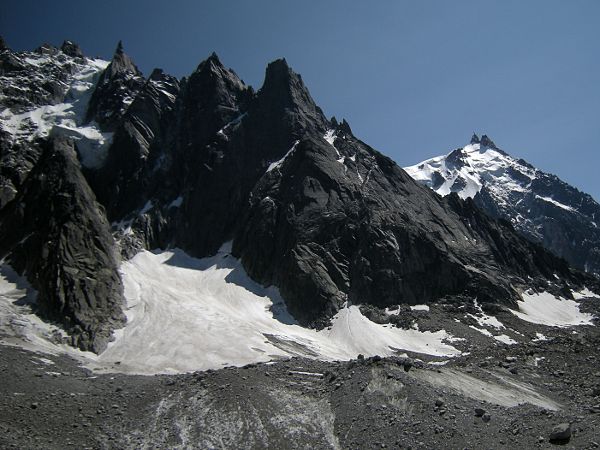
Roped climbers on granite on the Cosmiques Ridge near Aiguille du Midi
Stage 7

Introduction To Alpine Climbing

Apply your rock skills to a longer mountain objective, where finding the line and managing time matter as much as individual climbing moves. The emphasis here is alpine rock and appropriate mixed mountain terrain.

Course Aims

Connect climbing technique, rope organisation and route judgement in a mountain setting.

Who It’s For

Climbers with established outdoor rope skills and a suitable level of mountain fitness. Your previous scrambling and multi-pitch experience help determine the programme.

What You’ll Practise

  • Choosing between pitched climbing and other appropriate protection strategies.
  • Managing equipment and transitions efficiently.
  • Route-finding, escape options and the effect of changing weather.
  • Communication and movement as a small team.

How You’ll Learn

Work through the systems on suitable terrain, then bring them together on an agreed objective. Moving together and shortened-rope techniques are considered within the instructor-led programme, with their limitations discussed.

By The End

A clearer understanding of the decisions behind alpine rock journeys and the skills to consolidate next.

Your Next Step

Build experience on appropriate rock objectives or add snow, ice and glacier training through a tailored alpine mountaineering programme.

Ask About Introduction To Alpine Climbing →
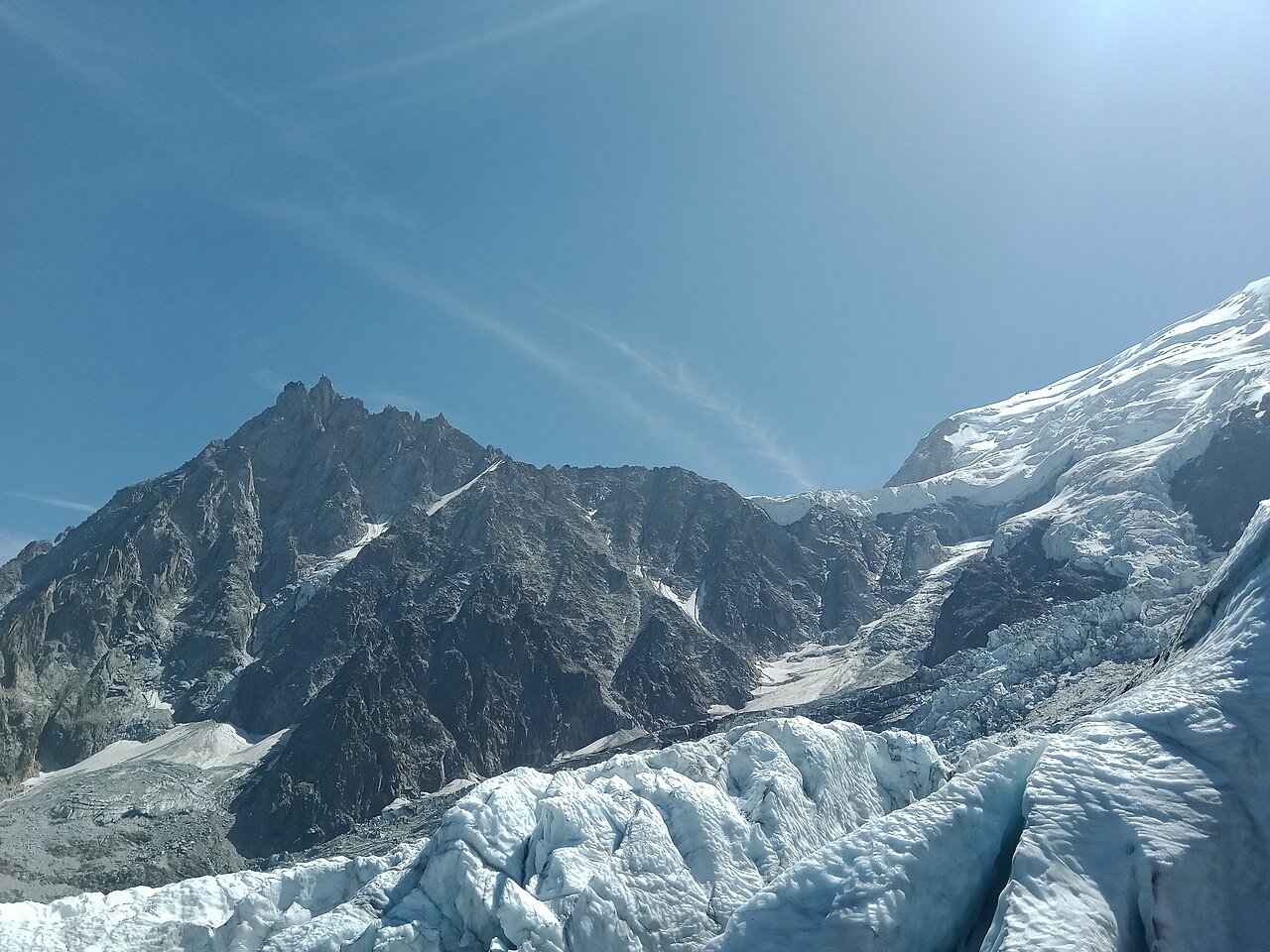
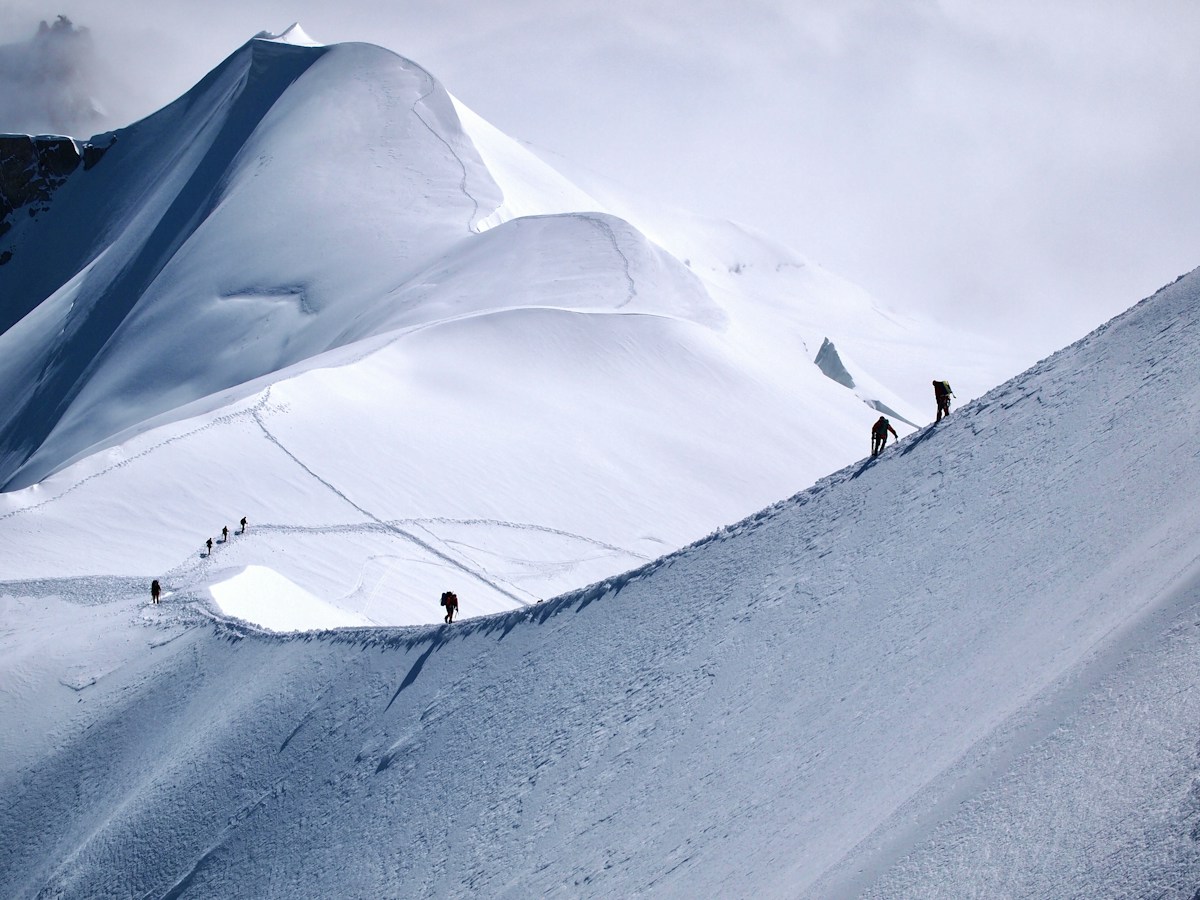
Mountaineers travelling through snow-covered alpine terrain near Aiguille du Midi
Stage 8

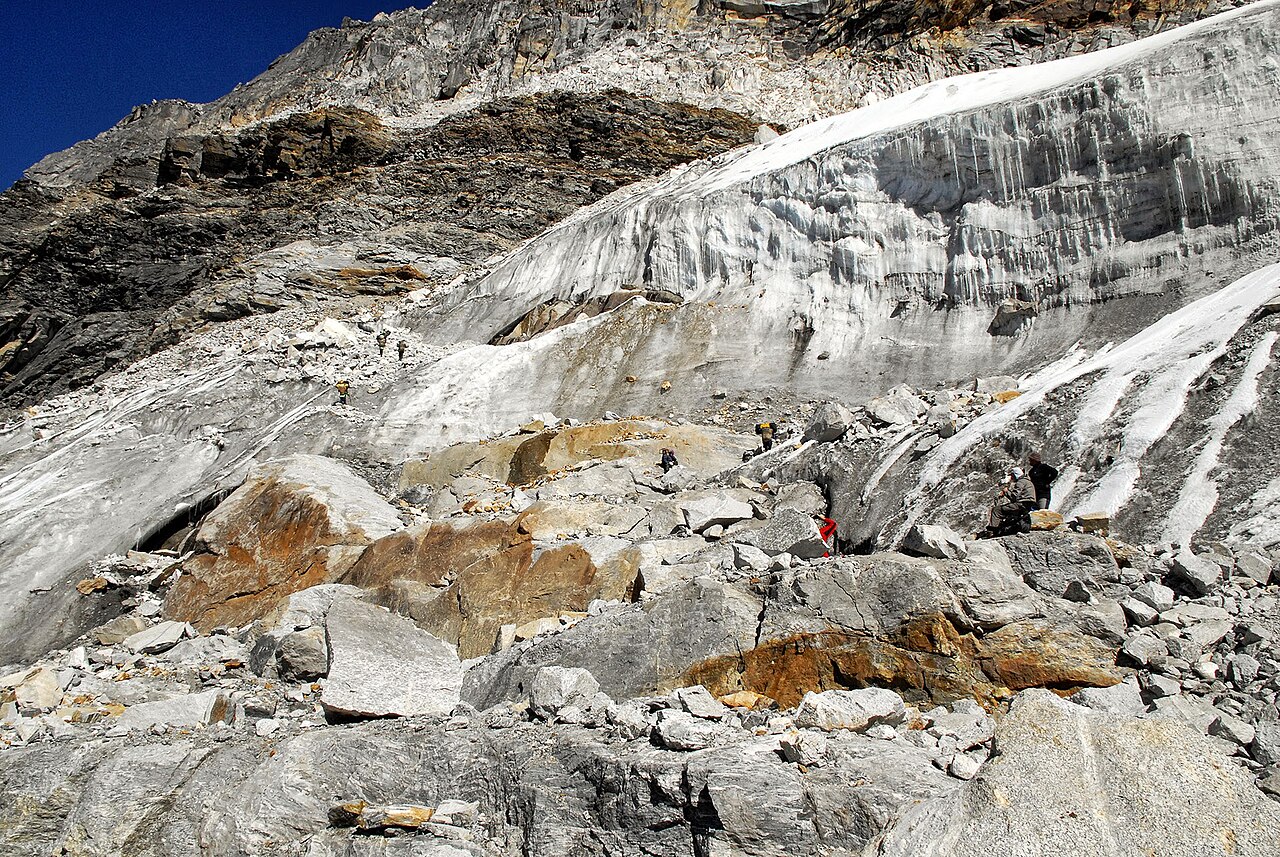
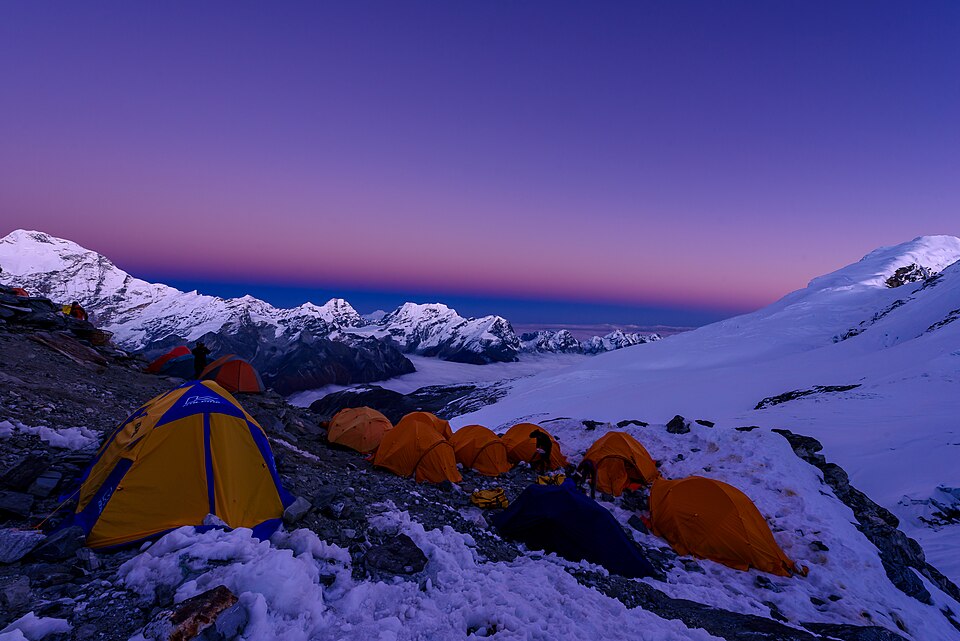
Alpine Mountaineering

Bring rock, snow, ice and navigation skills into the same mountain plan. A successful programme depends on preparation, acclimatisation and choosing an objective that fits the team and current conditions.

Course Aims

Develop an integrated approach to high-mountain travel and the responsibilities of a roped team.

Who It’s For

Mountaineers with suitable outdoor climbing experience, fitness and prior snow skills. We discuss your background and objectives before confirming the programme and guiding arrangements.

What You’ll Practise

  • Glacier-travel principles and appropriate rope systems.
  • Snow and ice movement with axe and crampons.
  • Crevasse-rescue practice in a suitable training setting.
  • Route planning, acclimatisation, conditions and descent decisions.

How You’ll Learn

Combine focused technical sessions with an appropriate mountain journey. Your instructor or guide selects exercises and objectives around your experience, the weather and the conditions available.

By The End

A stronger understanding of the skills and judgement that work together in alpine terrain, with a realistic plan for continued development.

Your Next Step

Consolidate on suitable objectives with appropriate support. Future trips are chosen around your progress; completing a course is not a blanket endorsement for every alpine route.

Ask About Alpine Mountaineering →

Choose The Right Starting Point

The stages describe different areas of development rather than a compulsory sequence. Abseiling can be booked as a standalone session, while an experienced climber may join further along the ladder. Tell us what you have climbed, your rope experience and your objective so we can agree the right focus.

What To Bring

Clothing and footwear depend on whether the session is indoors, at a crag or in the alpine environment. Your joining information sets out the personal kit, any supplied ropes and technical equipment, and any hire or venue costs.

Dates, Location & Booking

We agree the course length, venue, group arrangements, dates and price with you before booking. The written joining information confirms the programme, equipment and inclusions for your session. Photographs illustrate the activities; they are not a promise of a particular venue or route.

Get In Touch

Ask About Climbing Courses

Tell us where you are on the ladder and we'll recommend the right course.

We’ll start your message for you. Add your questions, preferred dates and group size.

We’ll use your details to respond to this enquiry.

Qualified, Accredited & Trusted By
Mountain Training Association NHSCorporate Partner