Skills Courses

Summer Mountain Skills

Learn to plan, navigate and move through summer mountain terrain with greater independence. Choose an introduction to the essentials or build on your experience with our intermediate level.

What's Covered

Course Levels

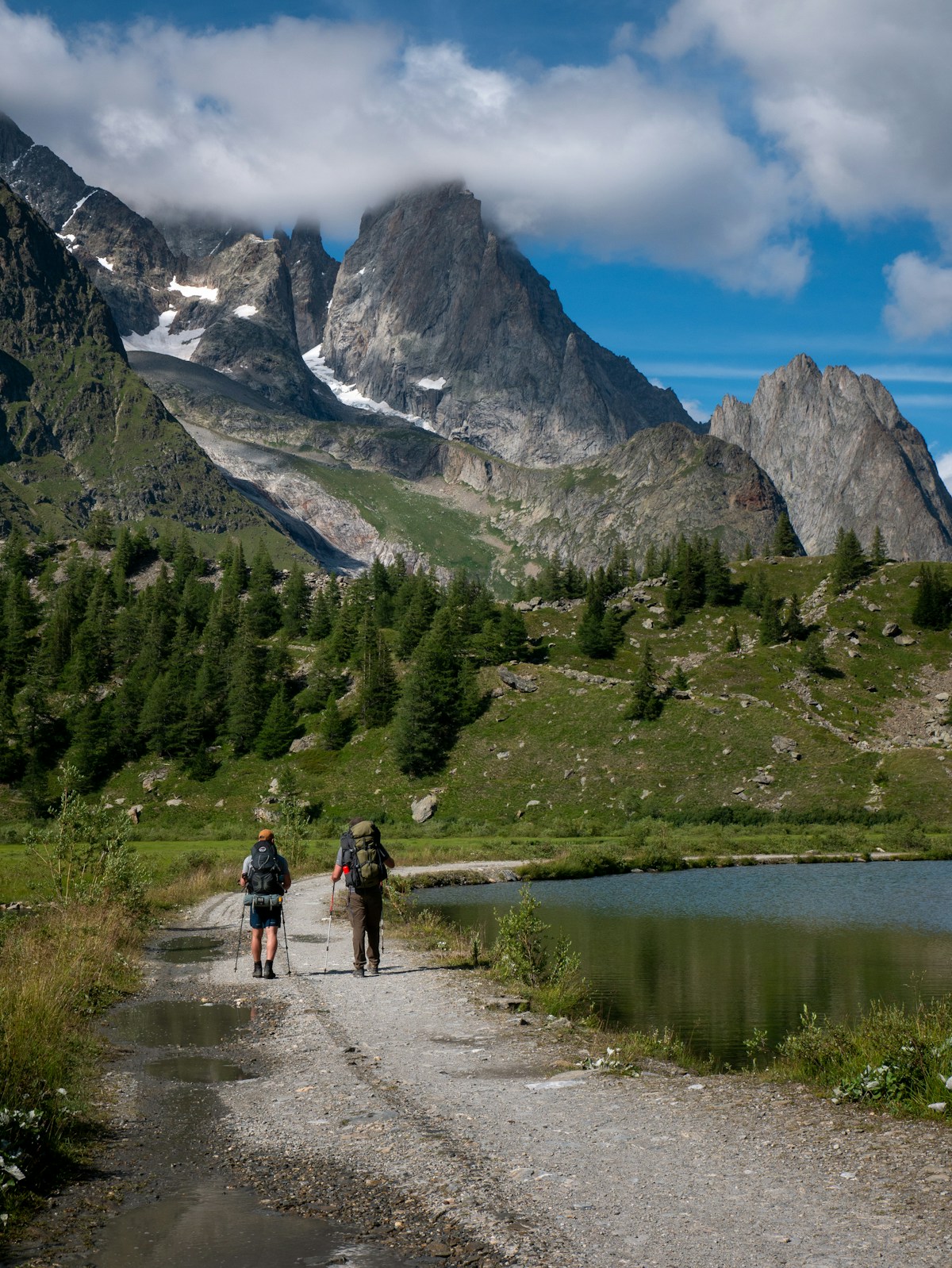
Two walkers following a snow-free mountain trail beside a lake
Introduction

Summer Mountain Skills — Introduction

Build the confidence to take an active part in a mountain day: choosing the route, checking your progress and understanding the decisions behind a good walk. We practise skills as we travel, with time to stop, ask questions and try again.

Course Aims

The aim is to help you move from being a passenger on a walk to understanding how a mountain day is put together. We connect planning, navigation and movement so that each skill has a purpose on the hill.

  • Make sensible choices about a route before setting off.
  • Know what to check on the map and on the ground as you travel.
  • Recognise when a change of plan is the better decision.
  • Build confidence by practising, making decisions and receiving constructive feedback.

Who It’s For

Newer hillwalkers and anyone who usually relies on somebody else to navigate. You should be comfortable walking for a day with a small rucksack; previous scrambling or climbing experience is not needed.

What You’ll Practise

  • Planning a manageable day: choose a route, estimate timings and identify options for shortening it.
  • Making sense of the map: relate contours, paths and landmarks to the ground around you.
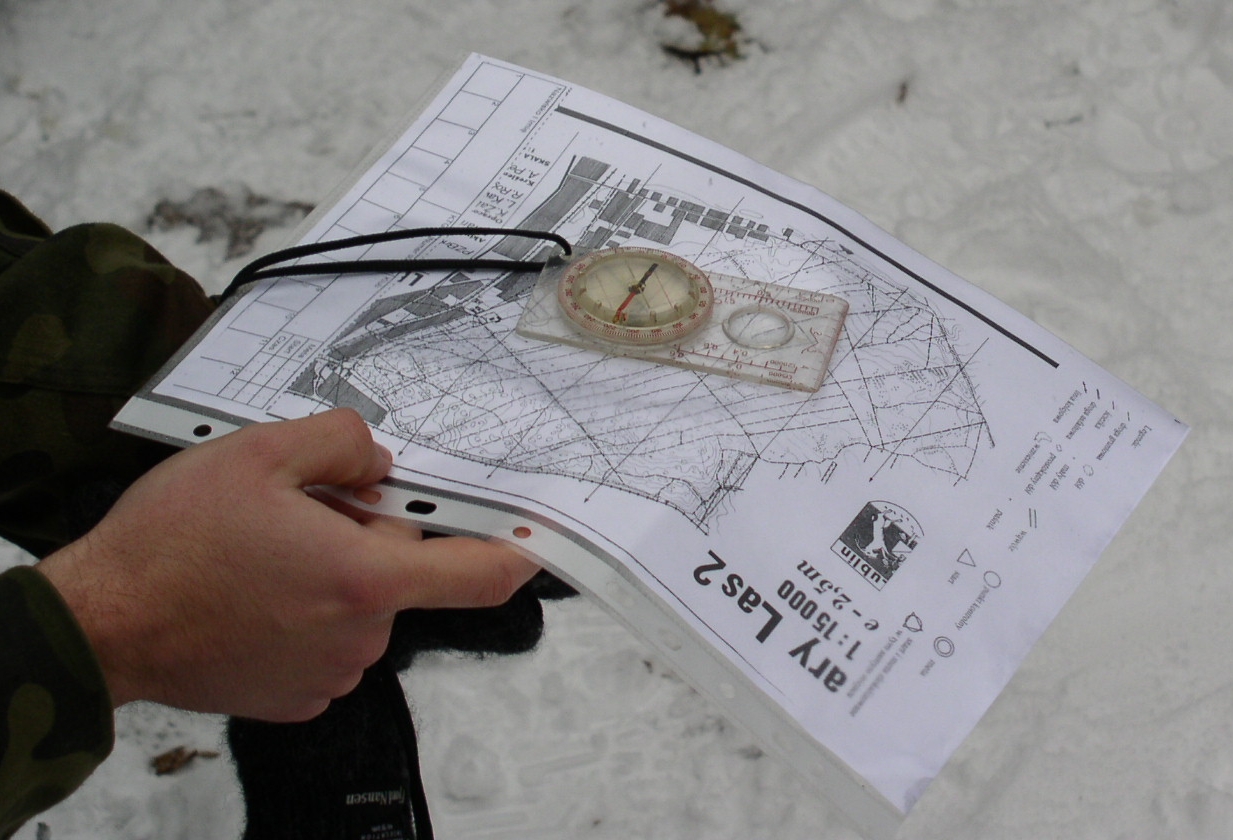
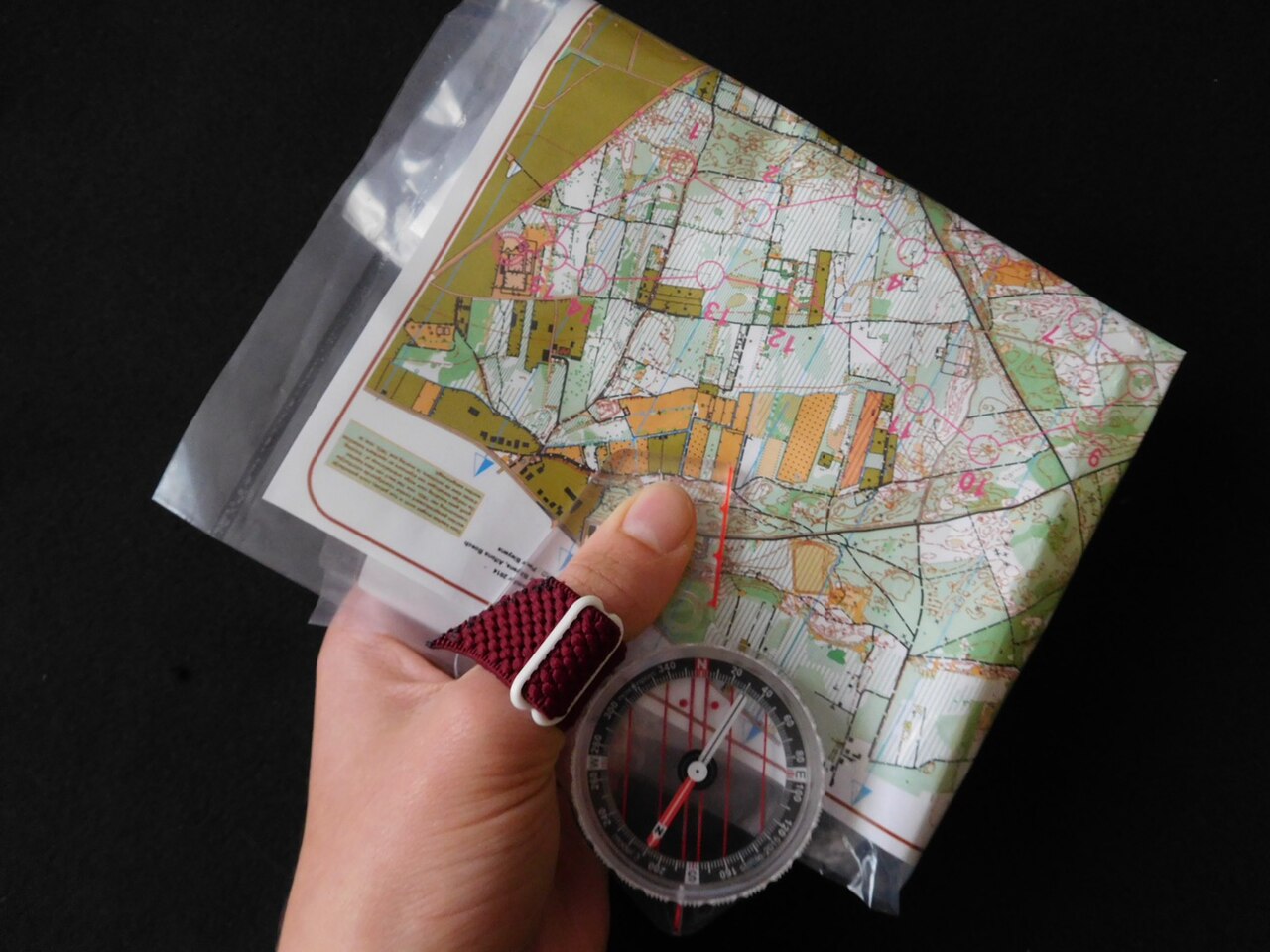
  • Using a compass: orient the map, take a bearing and check your direction while walking.
  • Moving efficiently: find a steady pace and choose secure footing on rough paths and straightforward rocky steps.
  • Preparing for the forecast: consider wind, rain and visibility when choosing clothing, equipment and the day’s objective.
  • Looking after the group: discuss hazards, emergency communication and how to minimise your impact on the mountain.

How You’ll Learn

Start with the plan for the day: the forecast, the map and what needs to go in your bag. Out on the hill, take turns following short sections of the route, identifying features and explaining your choices. Your instructor will help you compare what you expected with what you find, then gradually give you more responsibility.

There is space to revisit anything that has not clicked. A wrong turn in a supervised exercise becomes a useful chance to understand why it happened and how to spot it earlier next time.

By The End

You will have worked through the full sequence of a mountain walk, from planning to reviewing how it went. The goal is to feel more comfortable choosing an appropriate route, checking your position and explaining what you would do if the weather or your plans changed.

What You’ll Take Away

A practical method for planning and following a suitable walk, a clearer idea of your limits and specific skills to practise on your next outing. Where appropriate, your instructor can introduce basic emergency rope awareness in a controlled setting.

Your Next Step

Consolidate the basics on straightforward walks that match your experience, keeping navigation decisions your own. When those habits become familiar, the intermediate course offers a way to develop them on less obvious terrain. We can also point you towards our navigation courses if that is the area you want to work on most.

Discuss The Introduction Course →
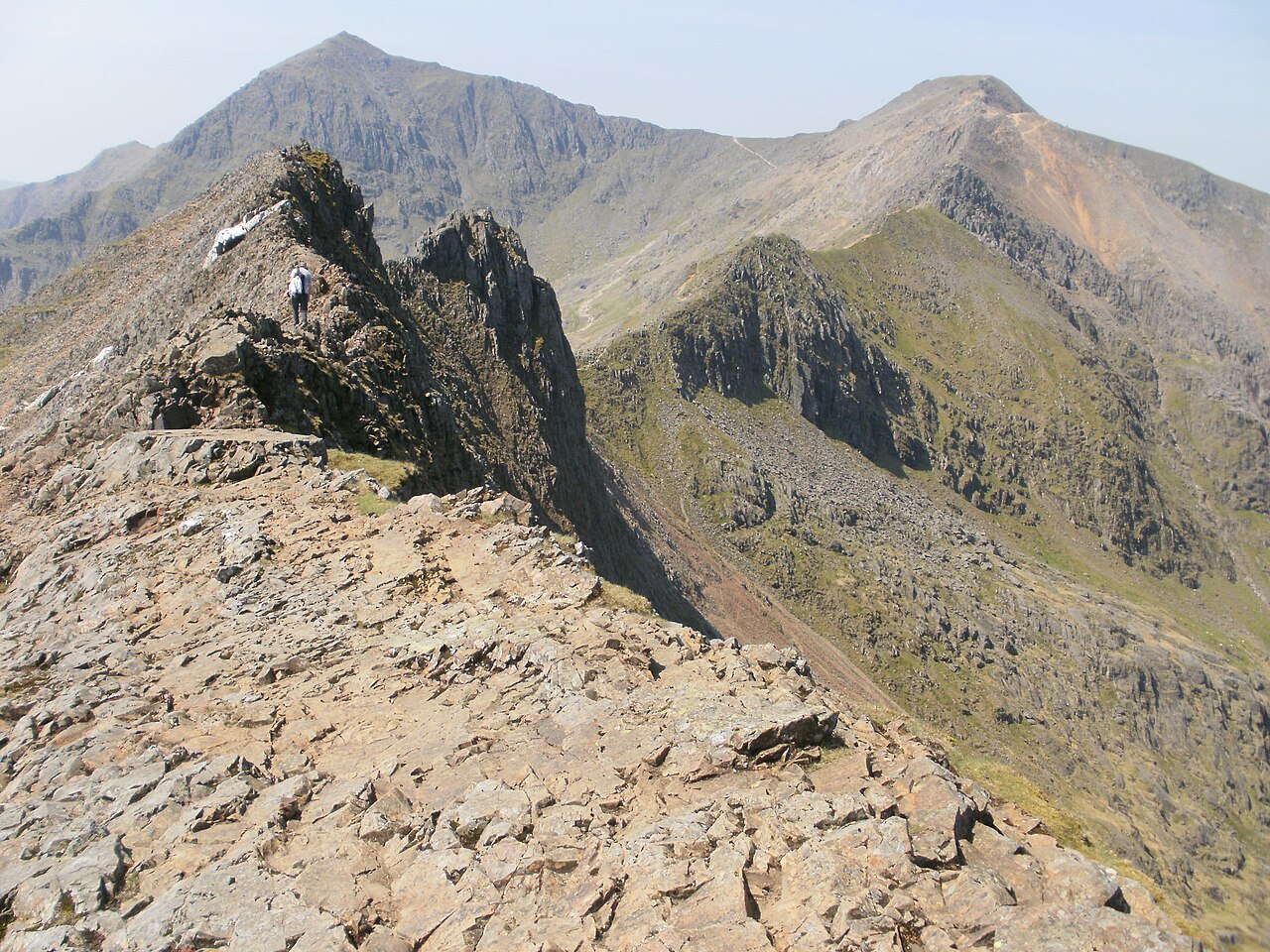
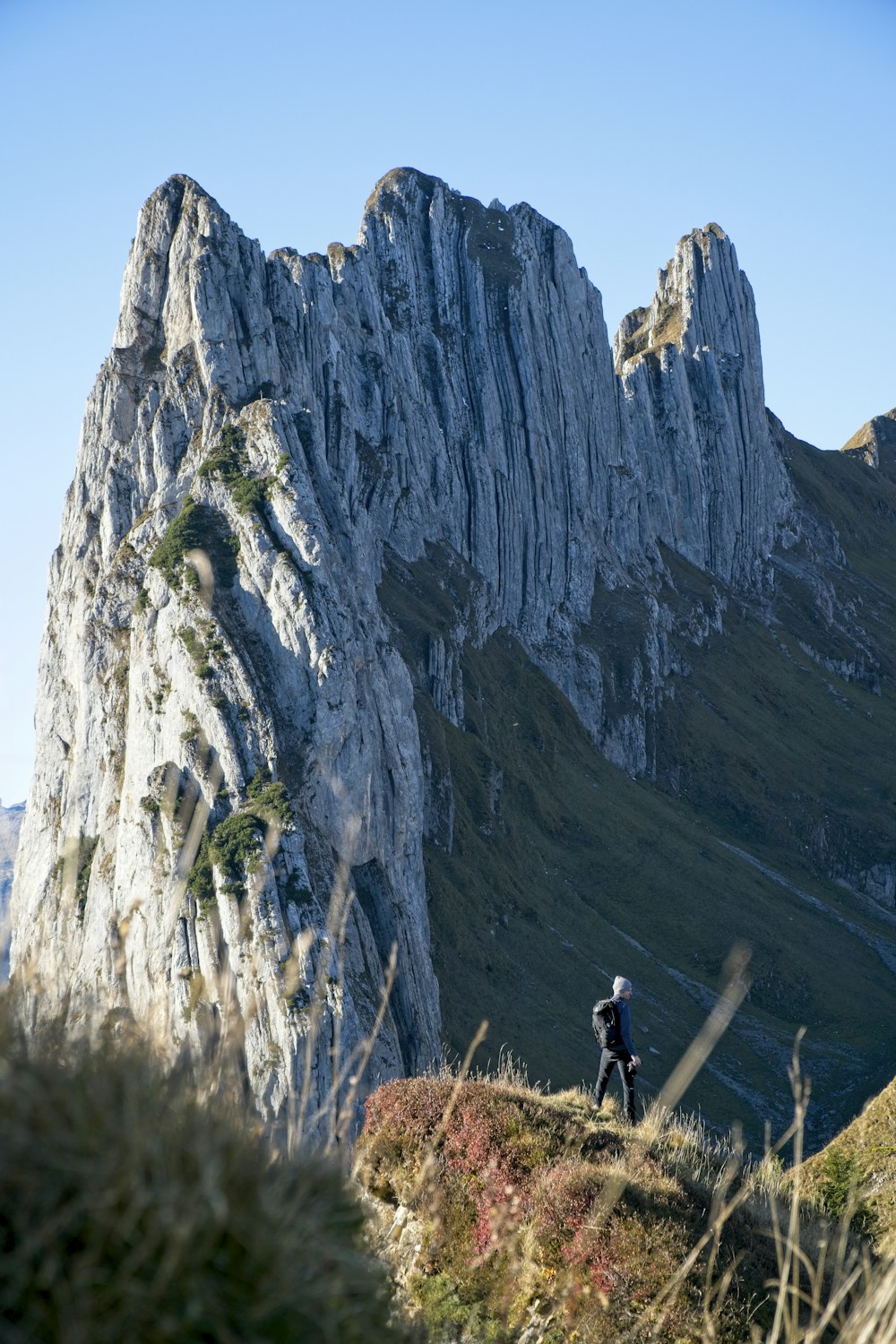
A walker negotiating the rocky Crib Goch ridge in Eryri
Intermediate

Summer Mountain Skills — Intermediate

Put your existing skills to work where the route is less obvious and decisions need more thought. You will take a greater role in navigating and selecting the line, with instructor feedback on your choices rather than simply following from behind.

Course Aims

The aim is to make your existing skills more reliable when there is less to follow and more to think about. We focus on how you reach a decision, how you check it and how you respond when the evidence changes.

  • Navigate with a clear strategy rather than relying on a path or another walker.
  • Recover your position methodically when things stop making sense.
  • Choose terrain and lines of travel that suit the group’s ability.
  • Balance the objective against conditions, time and the options for getting down.

Who It’s For

Regular hillwalkers who can already interpret a map, follow a bearing and manage their own walking kit. This level suits people seeking more independence on rougher ground and when cloud makes familiar features harder to recognise.

What You’ll Practise

  • More precise navigation: break a leg into smaller sections, use timing and pacing, and select useful catching features.
  • Relocation: recognise uncertainty, gather evidence and work out your position before committing further.
  • Route choice on complex ground: compare lines of travel and identify hazards, escape options and places to reassess.
  • Confident movement: develop balance and judgement on steeper rocky ground, with scrambling matched to the group and conditions.
  • Changing the plan: weigh up weather, daylight, fatigue and progress when deciding whether to continue or turn back.
  • Emergency skills: discuss managing an incident and practise appropriate rope or assisted-descent techniques under direct instruction where agreed.

How You’ll Learn

Bring a route idea to life on the map, talk through the key decisions and then take responsibility for sections on the hill. Exercises can include navigating to smaller features, relocating from an unfamiliar position and comparing alternative lines across rough ground.

Your instructor will ask you to explain the reasoning behind your choices, then help you refine the process. Where conditions allow, we use the day’s changing visibility and terrain as part of the learning rather than treating each skill as an isolated drill.

By The End

You will have practised building and checking a navigation plan, recovering from uncertainty and adapting a route as the day develops. The goal is more deliberate, repeatable decision-making, together with honest feedback on where you are ready to take more responsibility and where further practice would help.

What You’ll Take Away

More consistent navigation, stronger route-finding judgement and a realistic plan for progressing towards bigger mountain days. Short-roping, exposed scrambling and emergency abseiling need an agreed technical syllabus; we match those elements to your experience before booking.

Your Next Step

Leave with priorities for consolidating your skills on independent walks. Depending on your interests, the next step might be more demanding navigation, a separately agreed scrambling day or winter mountain skills. Progression is based on your experience and confidence, rather than simply collecting another course.

Discuss The Intermediate Course →

How The Course Works

Expect practical learning on a mountain journey, with short demonstrations followed by opportunities to make decisions yourself. The terrain and exercises are chosen around the group and conditions; the photographs illustrate the type of setting rather than a promised route.

Tell us about your recent walks, navigation experience and what you want to improve. We will agree the level, location, course length, group arrangements, dates and price with you before booking.

What To Bring

Bring suitable walking footwear, waterproofs, warm layers, a day rucksack, food and a drink. Your joining information will confirm the meeting point, full kit list, map requirements and any equipment provision for the agreed programme.

These are SOOM skills courses. Any formal Mountain Training registration or certification would be stated explicitly in your booking information.

Get In Touch

Ask About Summer Mountain Skills

Tell us your current experience and what you want to get out of it, and we'll recommend the right level.

We’ll start your message for you. Add your questions, preferred dates and group size.

We’ll use your details to respond to this enquiry.

Qualified, Accredited & Trusted By
Mountain Training Association NHSCorporate Partner